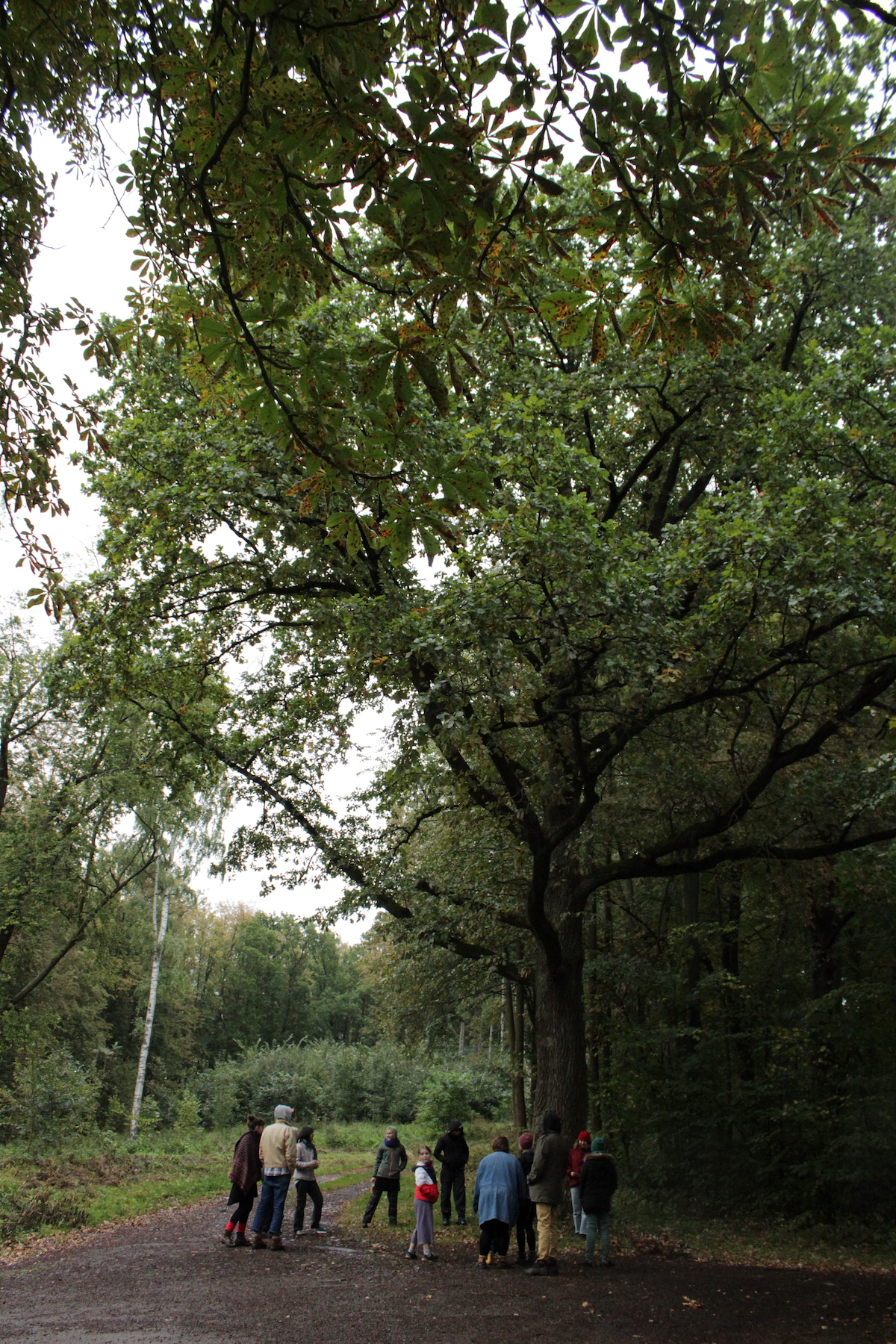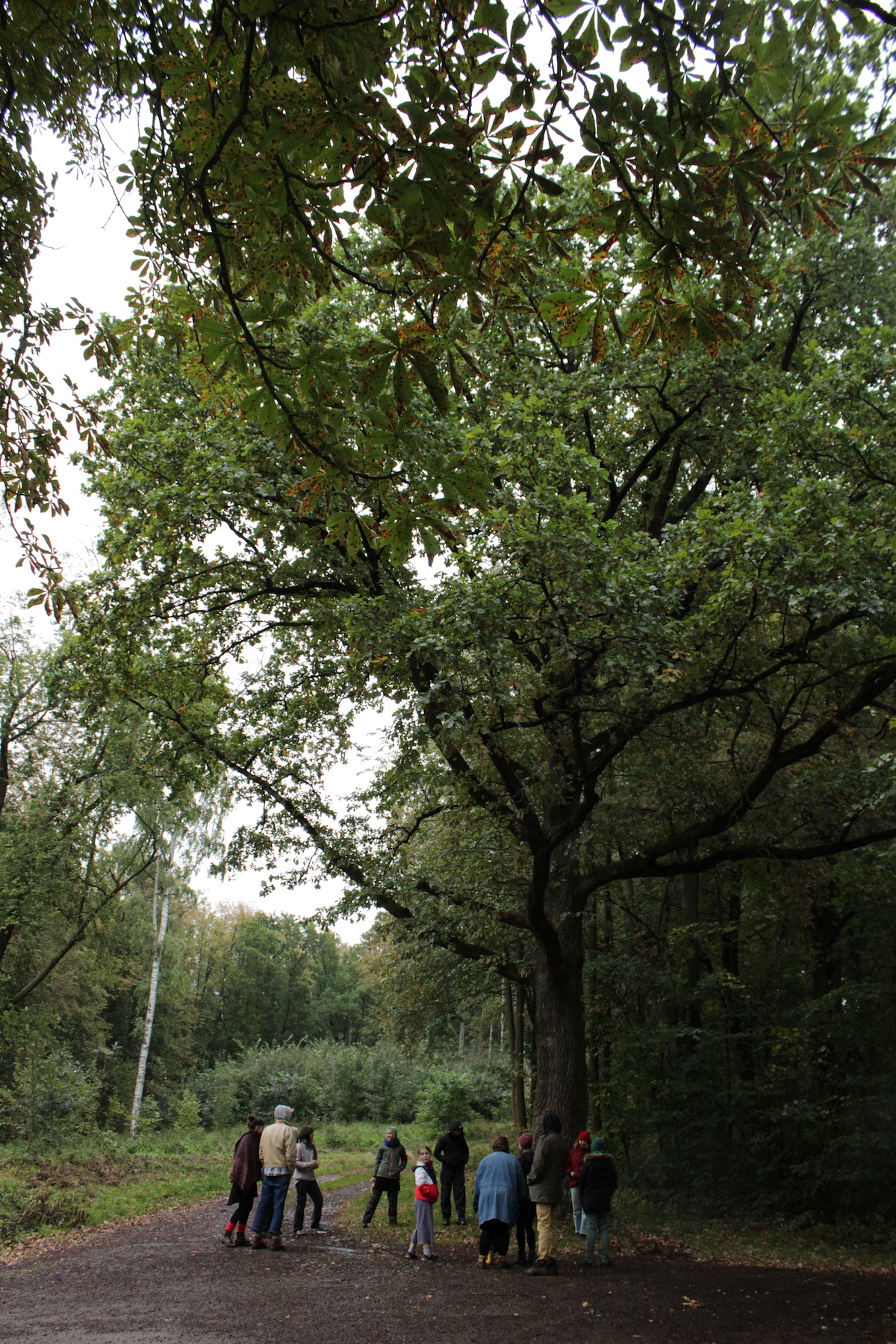
TREELINE is a creative musical project connecting communities to their environments, trees and forests. We are working with communities throughout Europe following old growth forests and their remnants in 10 countries from Romania to the UK, using music, data collection, field recordings and concert performances to engender greater respect for trees and biodiversity, and increase understanding of why these things are so important.
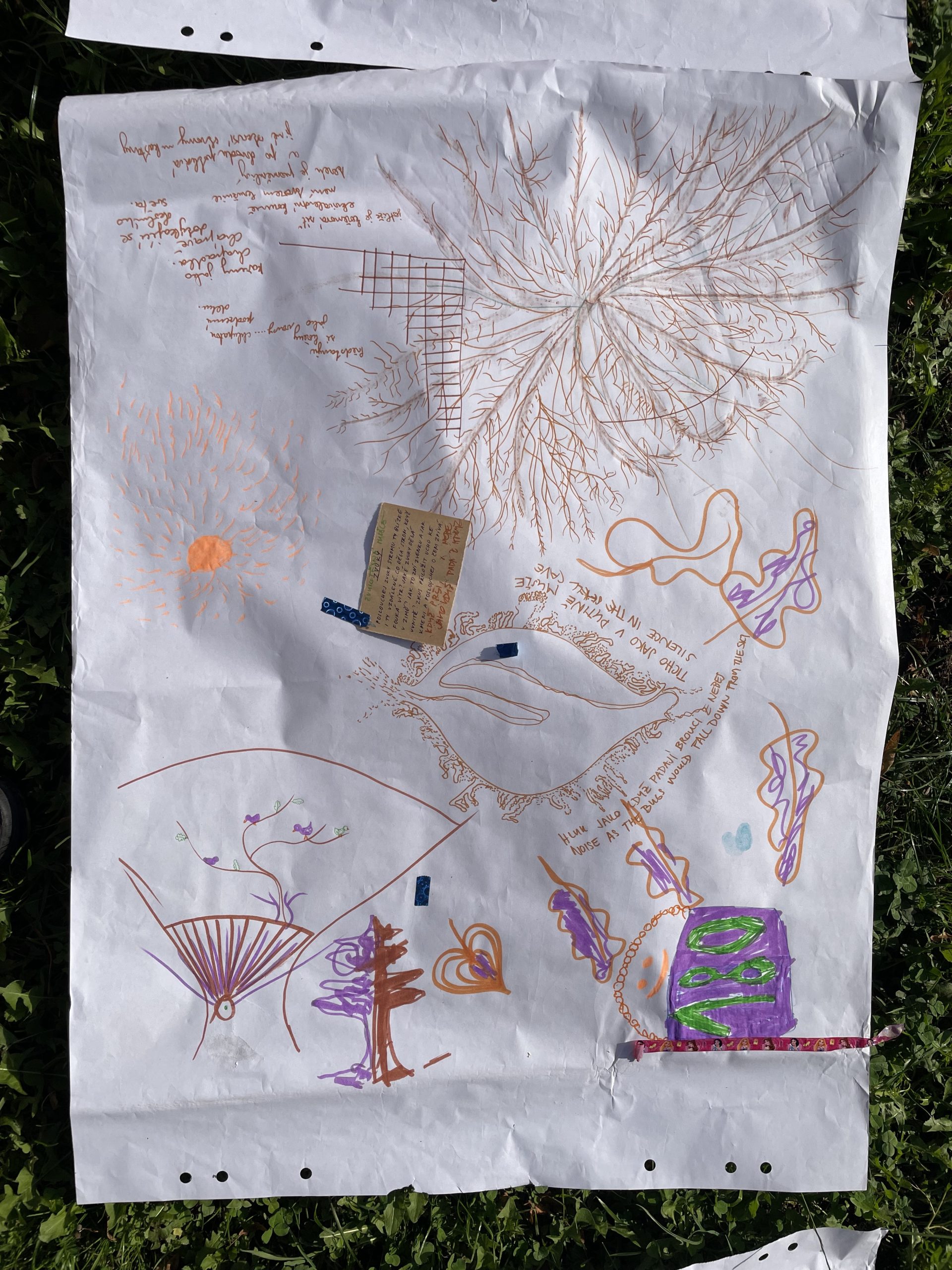
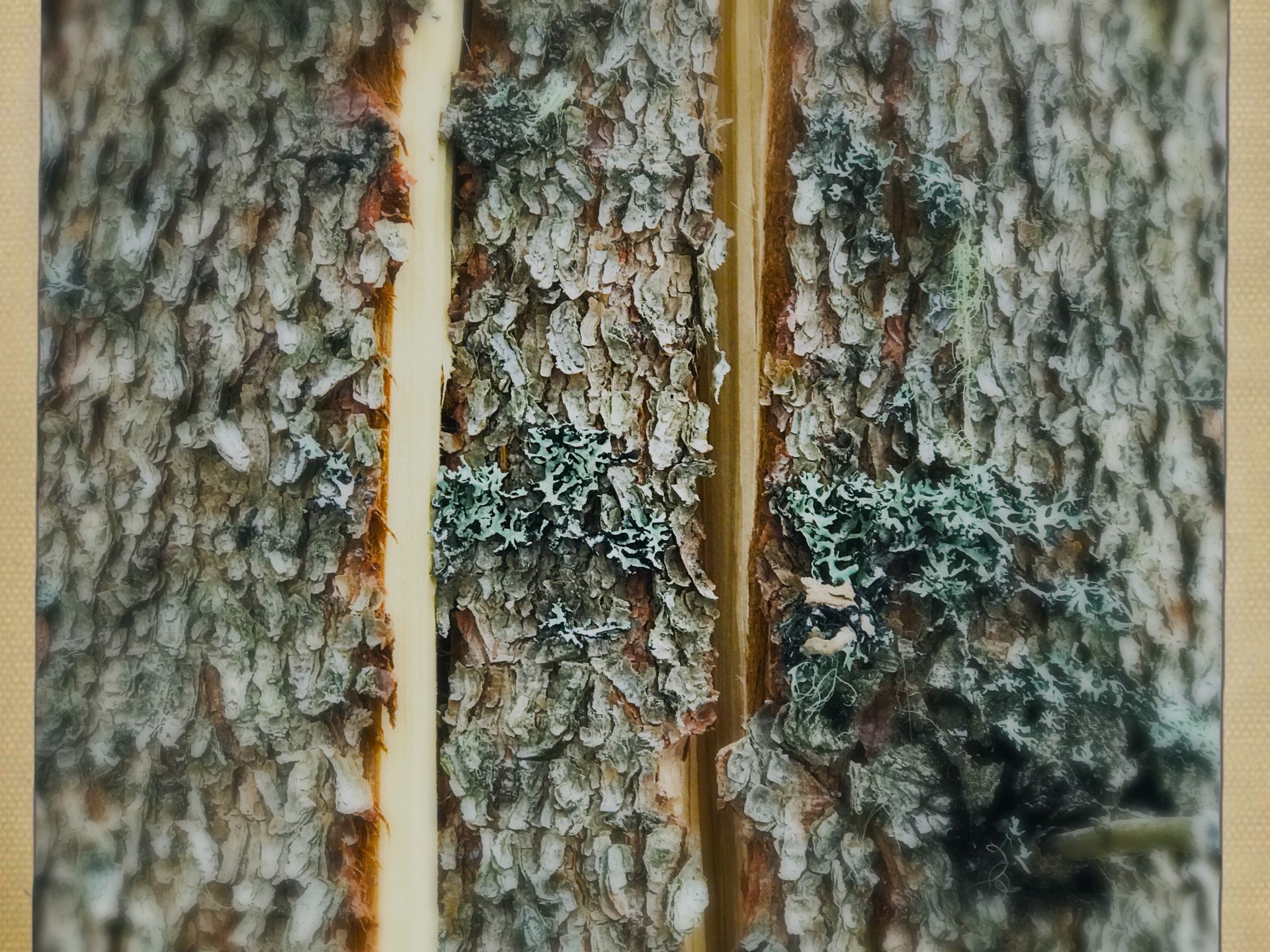
Treeline comprises a 2500 mile journey through 10 European countries, with concerts and workshops at 20 locations of a new musical work using recordings from specific trees. Communities from Romania back to the UK choose a local tree to ‘profile’. These communities work with me to collect data, including measurements of the tree, its canopy shape, branch structure, images of the tree, ambient audio and also audio recordings from inside each tree. All this information goes in to a new flexible one hour musical work which emphasises different trees at each performance.
And I will be cycling the entire route.
Every individual piece of an ecosystem depends on all the other pieces. You alter one part and there will be ramifications throughout that ecosystem. A change in the temperature of an ecosystem will impact what plants and animals can grow and live there. A change in human growth and expansion, means we can encroach on, and in some cases overtake, ecosystems causing their biodiversity to suffer. The depletion of the permafrost in Siberia warms up the ground leading to more vegetation and larches. And of course each ecosystem is connected to another ecosystem, so the complexity of outcomes is interconnected, wide ranging and sometimes difficult to calculate or even notice.
Historically trees have been a vital part of many ecosystems on the planet. And historically trees quite like hanging around in groups. When that happens other things happen, such as –
1. Increased biodiversity for plants, animals, micro-organisms.
2. Reduction of soil erosion by using roots to anchor both tree and surrounding soil preventing it from washing away. (It’s no coincidence that landslides occur more often in areas that have been logged.)
3. Increased filtering of water in the soil – collecting water and releasing it slowly to the surrounding environment, reducing flooding. More than 3/4 of the world’s accessible fresh water comes from forest catchments.
4. Sequestration of carbon from the atmosphere by absorbing carbon dioxide through a tree’s stomata, breaking it down into glucose for its own use and then releasing oxygen through transpiration/ evaporation back through the stomata.
5. Changes to local weather and climate – forests can affect humidity, temperature and rainfall both regionally and globally.
There is a specific website devoted to Treeline. Please visit – treeline.org.uk